If a PBR variety appears on your plant schedule, confirm your nursery is licensed to supply it. This short guide explains what PBR means in plain language, why it matters for commercial and government projects, and the three checks to make before you place an order. Florafolia is a licensed PBR nursery supplying protected varieties with full documentation available on request.
What Plant Breeders Rights actually is
Plant Breeders Rights is a form of intellectual property protection for new plant varieties, administered in Australia under the Plant Breeder's Rights Act 1994. When a breeder develops a new variety and registers it under the scheme, they receive exclusive commercial rights over that variety for a set period: 25 years for trees and vines, 20 years for all other plants.

Those rights are specific. The breeder controls who can propagate the variety, sell it or import and export it commercially. Anyone doing any of these things without a licence from the breeder is in breach of the Act.
For a variety to qualify for PBR protection it must meet four criteria: it must be new, distinct from existing varieties, uniform from plant to plant, and stable across generations. These are not low bars. A variety that earns PBR protection has been tested and evaluated against established standards. That process is part of why PBR varieties tend to perform the way they are supposed to.
Why this matters for buyers, not breeders
The PBR framework exists to protect breeders and fund the development of better plants. But for a buyer specifying plants for a commercial project, the practical implication is straightforward: if the variety on your plant schedule is PBR protected, the nursery supplying it needs to hold a licence.
If they do not, you are purchasing illegally propagated stock. The plants may look right. They may even establish. But the supply chain is non-compliant and the buyer carries a share of that exposure, particularly in government procurement where supply chain integrity is a documented requirement.
Two examples of what this looks like in practice:
- A landscape contractor sources a PBR protected screening plant from an unlicensed supplier at a lower price point. The stock establishes inconsistently across the site. When the client queries the performance, there is no propagation documentation to review and no licensed production standard to reference. The warranty dispute that follows is difficult to resolve because the supply chain cannot be verified.
- A government procurement team approves a nursery supplier without confirming PBR licensing status. During a post-project compliance audit, it emerges that two specified varieties were sourced from an unlicensed grower. The procurement officer is required to document the non-compliance and justify the supplier selection. The reputational and administrative cost is significant.
Asking one question before placing an order eliminates this risk: are you a licensed PBR nursery for this variety? A licensed nursery will answer immediately and provide documentation if needed.
What a licence means for plant quality
A licensed grower has a formal agreement with the breeder. That agreement typically includes production standards the grower must meet, quality requirements and ongoing obligations. Licensing is not just a legal arrangement. It is a quality assurance mechanism built into the supply chain.
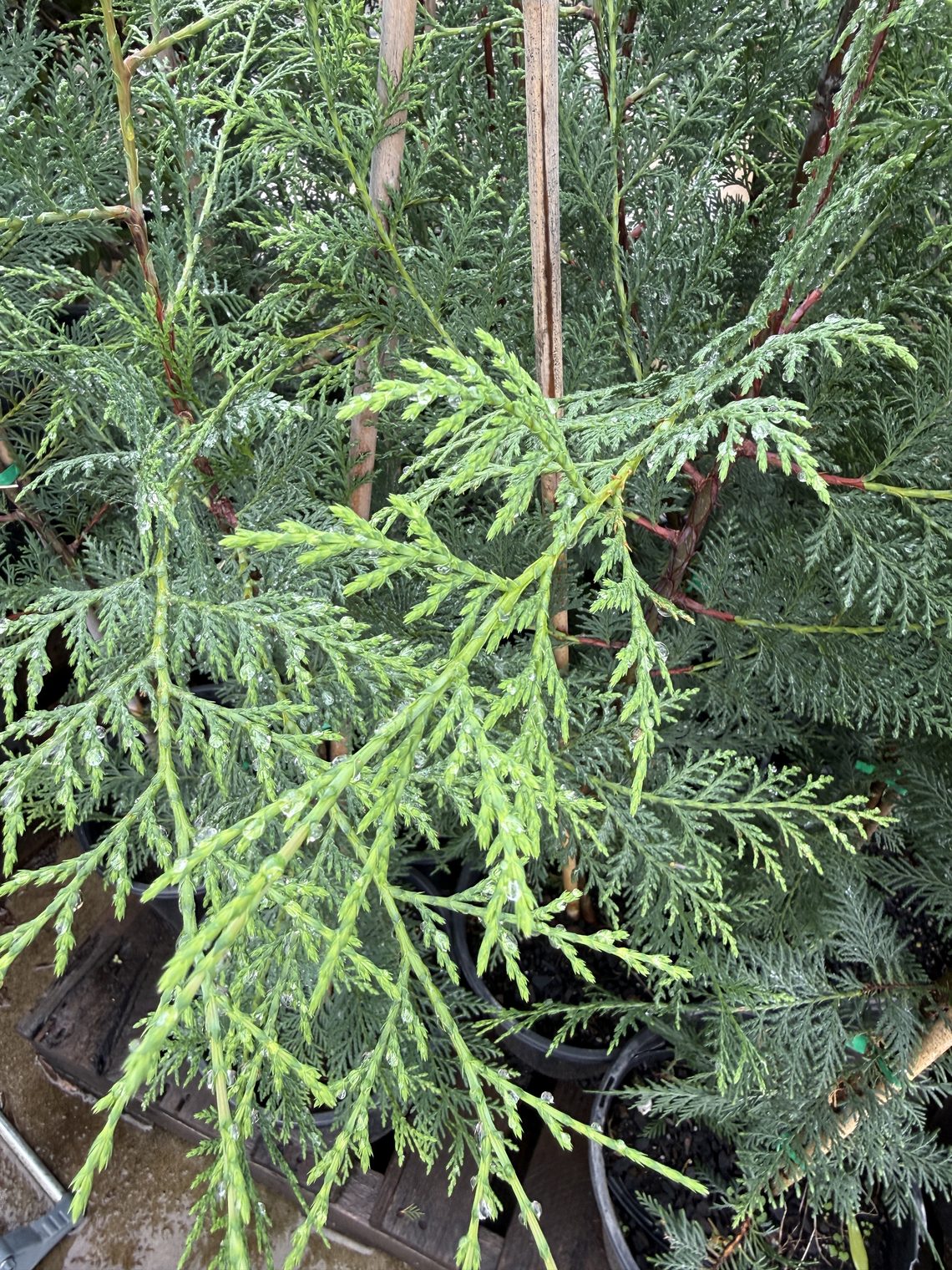
When you source a PBR variety from a licensed PBR nursery, you are getting stock produced under the standards the breeder established for that variety. The plants have been propagated correctly. The growing conditions align with what the variety requires to perform as specified. The uniformity and stability that earned the variety its PBR status are maintained through the growing program.
When you source from an unlicensed supplier, none of that applies. The propagation may have cut corners. The plants may look similar but perform differently on site. And there is no mechanism connecting the growing conditions back to the breeder's standards.
For a streetscape, civic space or commercial development where plants need to establish, perform and look right years after handover, that distinction matters.
Why PBR varieties represent the leading edge
The investment required to develop, test and register a new variety is significant. Breeders spend years selecting for specific traits: improved disease resistance, superior aesthetic performance, climate adaptability, water efficiency, suitability for urban heat island conditions. PBR protection gives them a commercial return on that investment.
The result is that PBR varieties consistently represent the best of what is available. They are the plants with the strongest performance credentials in commercial and civic applications, the most distinctive aesthetics and the most reliable track record. When a landscape architect specifies a PBR variety, it is usually because that variety does something a standard line cannot.
What it means to work with a licensed PBR nursery
Florafolia is a licensed PBR nursery for a number of PBR trees, developed with proven performance benefits. Because quality matters to us, we have made a deliberate decision to invest in PBR licensing partnerships. The nursery currently holds licences for a growing range of PBR varieties, including exclusive supply rights for selected lines.
For buyers, this means two things.
First, when you source a PBR variety from Florafolia, you are sourcing from a licensed PBR nursery. The compliance question is answered. Documentation is available on request.
Second, for certain varieties, Florafolia is the only licensed supplier. If that variety is on your plant schedule and you are delivering a project, there is one place to source it correctly. Knowing that early in the planning process protects the specification and saves time.
Three checks to make before specifying a PBR variety
Is the variety PBR protected?
Search the IP Australia register by variety name or ask your nursery before the specification is locked.
Is your nursery licensed to supply it?
Ask directly and request written confirmation. A licensed PBR nursery will provide this without hesitation.
Are there regional supply restrictions?
Some PBR licences restrict supply by state or territory. Confirm your supplier holds the appropriate rights for your project location before the order is placed.
Quick checklist: PBR compliance for commercial and government buyers
- Is the variety PBR protected? Check IP Australia or ask the nursery.
- Is your nursery a licensed PBR nursery for this variety? Request written licence confirmation.
- Are there regional restrictions? Confirm state and territory rights for your project location.
- Does the supplier provide production standards or quality assurance evidence? Request propagation and quality statements.
- Does the documentation meet your procurement audit needs? Save licence copies before approving suppliers.
Frequently asked questions about licensed PBR nurseries
What does PBR stand for?
Plant Breeders Rights, also referred to as plant variety rights. In Australia it is administered under the Plant Breeder's Rights Act 1994.
How do I know if a variety is PBR protected?
IP Australia maintains a register of PBR protected varieties. Search by variety name. If you are unsure whether a variety on your plant schedule is protected, ask your nursery before placing the order.
Can any nursery grow and sell a PBR variety?
No. Only the breeder, or nurseries holding a formal licence from the breeder, can legally propagate and sell a PBR protected variety commercially. Sourcing from an unlicensed supplier means purchasing illegally propagated stock.
What documentation should a licensed PBR nursery be able to provide?
A licensed grower should be able to confirm their licence in writing and provide documentation on request. If a nursery cannot confirm licensing status quickly and clearly, treat that as a red flag.
Are there any exceptions to PBR protection?
Yes. PBR protection does not apply to private or non-commercial use, experimental purposes, plant breeding research or re-planting using farm saved seed. For commercial supply into a project, these exceptions do not apply.
Is Florafolia a licensed PBR nursery?
Yes. Florafolia holds licences for a growing range of PBR varieties, including exclusive Queensland supply rights for selected lines. Contact us to confirm current variety availability and licensing status.
How do I request PBR documentation from Florafolia?
Email lynne@florafolia.com.au and request a PBR licensing documentation pack. We will confirm what we hold and what is available for your project.